

COURSE DESCRIPTION
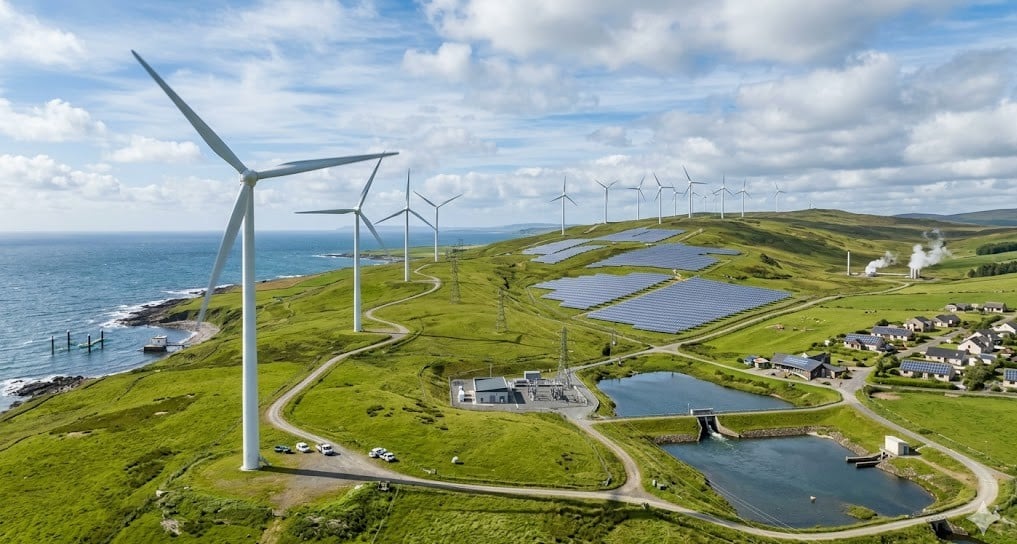
This doctoral-level course provides a rigorous, interdisciplinary examination of wind energy as a cornerstone of the global renewable energy transition, alongside a systematic survey of alternative energy sources—solar, hydroelectric, biomass, geothermal, tidal, and wave—and the enabling technologies that underpin a low-carbon energy future. Students will critically analyze the physical principles governing wind resource assessment, turbine aerodynamics, design, and grid integration, as well as the science, engineering, and policy dimensions of other renewables. The course emphasizes comparative performance metrics, life-cycle environmental and economic assessment, energy storage, system modeling, and the integration of variable renewable energy into existing grids. By integrating fundamental science with engineering applications, policy analysis, and sustainability frameworks, this course equips students to lead research, policy, and development initiatives in the global energy transition.
COURSE TEACHING OBJECTIVES
-
Analyze the fundamental physical principles of wind energy, including atmospheric circulation, wind resource assessment, Betz’s law, and turbine aerodynamics.
-
Evaluate the technical design, operational characteristics, and performance of modern wind turbines, including offshore and floating systems.
-
Critically examine the principles, technologies, and applications of solar, hydroelectric, biomass, geothermal, tidal, and wave energy systems.
-
Assess the environmental, economic, and social impacts of renewable energy systems and the challenges of grid integration, storage, and system reliability.
-
Synthesize interdisciplinary knowledge to formulate research-informed strategies for renewable energy deployment and policy development.
COURSE STUDENT LEARNING OUTCOMES
Upon successful completion of this course, students will be able to:
-
Explain the physical basis of wind resource assessment, including the relationship between wind speed, power density, and energy yield.
-
Calculate the maximum theoretical power extraction from a wind turbine using Betz’s law and analyze real-world turbine efficiency.
-
Compare and contrast the key design features, operational characteristics, and applications of major alternative energy technologies.
-
Critically evaluate the environmental and economic trade-offs of renewable energy systems using life-cycle assessment principles.
-
Design a renewable energy integration strategy for a specific geographic or grid context, addressing intermittency, storage, and policy constraints.
ORGANIZATION OF COURSE STUDIES
The course is organized into five study periods (typically 2 weeks each, though self-paced). Each period includes intensive reading of the assigned textbook, viewing of the supplementary video, and a short response paper or ethical analysis (500–1,000 words) reflecting on the material and its application.